Retrospective · 23 April 2026
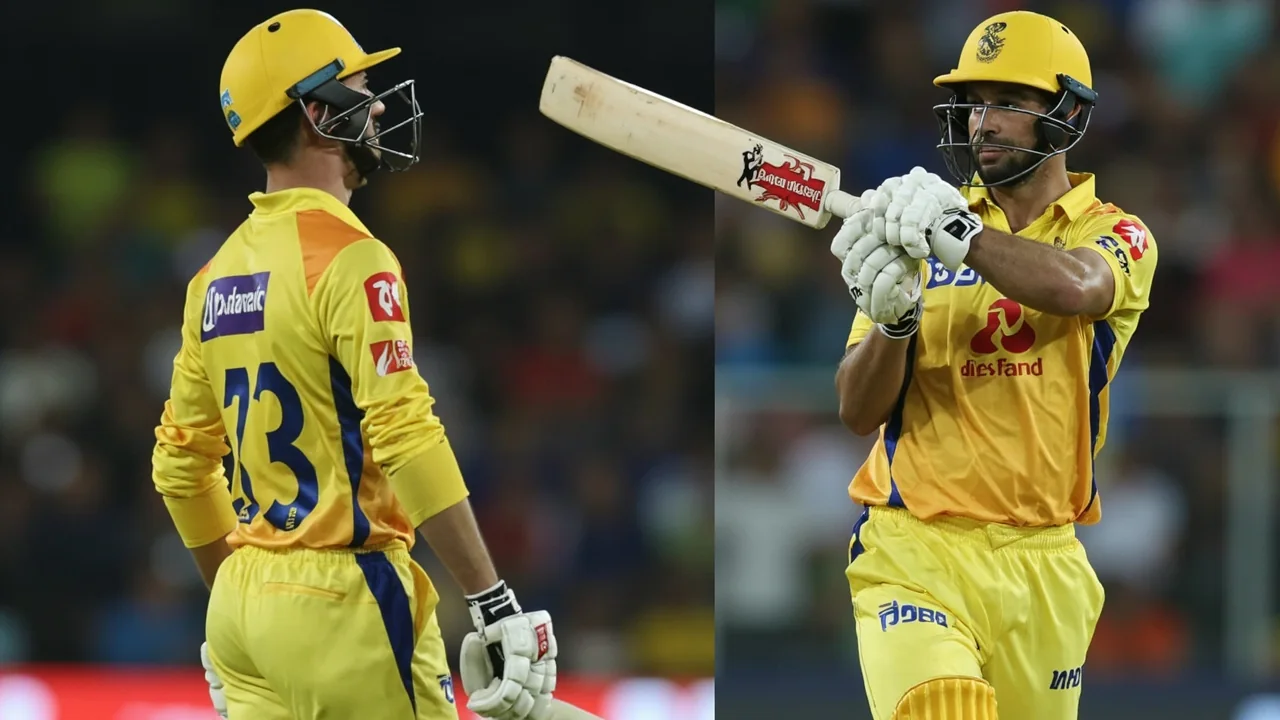
Two clubs were sitting in the lower half of the IPL 2026 points table when the Sunday Guardian's fantasy desk filed its Match 33 preview on the morning of 23 April. Both had reason to treat Wankhede as a reset match. Mumbai Indians had just walked out of a 99-run win over Gujarat, which restored some shape to their campaign but did not bury the questions about their bowling depth. Chennai Super Kings were handling injuries to veteran names and going into the fixture described, in the preview's own phrasing, as a tight spot.
The rivalry framing mattered for fantasy as much as for the table. Sunday Guardian called the fixture the IPL's El Clasico, which is shorthand for a match where ownership percentages run hot, captain votes split, and a single death-over collapse can flip a contest card. For Cricplay players, the preview was a useful starting map because it locked the venue read, both probable XIs and a small captain and vice-captain lane before the toss.
What the fixture was on 23 April 2026
Match 33 was scheduled at the Wankhede Stadium in Mumbai for a 7:30 PM IST start on Thursday 23 April 2026. The preview ran as part of the day's standard fantasy content slate, with the writer Aviral Shukla credited on the byline and a 13:16 IST publication timestamp on the article metadata. Both clubs entered the fixture needing points more than net run rate, which is the kind of context that lifts captain votes toward batters who bat through and all-rounders who bowl at the death.
There is one detail worth holding from the preview that often gets lost in fantasy recaps. The piece noted that both sides were in the lower half of the points table going into the match, and that Mumbai had the stronger recent form after a 99-run win over Gujarat while Chennai were juggling injuries to veteran stars. That gap shaped how the preview's captaincy advice leaned. When one team has momentum and the other is patching its XI, fantasy captaincy votes usually drift toward the momentum side and away from the patching side unless the patching side has an obvious venue advantage.
The Wankhede pitch read as a fantasy lever
The Sunday Guardian preview's venue note was the most useful part of the preview for fantasy players. Wankhede was characterised as a red-soil batting surface offering consistent bounce and pace. Short boundaries and a fast outfield were said to make 200-plus totals the norm on this ground. That single sentence carries most of the captain math for the night: when a venue expects totals in the 200 range, the value of pure bowlers falls and the value of top-order batters plus death-over wicket-takers rises.
There was a second venue signal that matters even more for fantasy. Because Wankhede sits near the coast, the preview expected significant second-innings dew. The mechanism is straightforward. As the evening cools, moisture settles on the surface and on the ball. Spinners lose grip, fast bowlers lose control of slower-ball variations, and fielding sides find it harder to grip the ball off the outfield. The preview's conclusion was that chasing would be easier than defending once the dew arrived, which is the standard Wankhede evening script.
For Cricplay team balance, the pitch read translates into three concrete calls. First, top-order batters from both sides earn extra weight because the run-floors are higher on flat red soil. Second, wrist-spinners and finger-spinners lose value because dew will hurt them more than it hurts seamers. Third, death-over seamers who can hit the hard length and execute yorkers under slippery conditions earn a clear bump, because the late-innings bowling workload becomes the highest-leverage phase of the match.
Mumbai Indians probable XI and the fantasy roles inside it
The preview listed Mumbai's predicted XI as Rohit Sharma, Quinton de Kock (wicketkeeper), Danish Malewar, Suryakumar Yadav, Tilak Varma, Hardik Pandya (captain), Sherfane Rutherford, Krish Bhagat, Jasprit Bumrah, Ashwani Kumar and AM Ghazanfar, with Naman Dhir as the impact sub. The shape is a four-batter top six, three all-round options, and a three-man seam-plus-spin attack. Hardik Pandya as captain signals the franchise's continued preference for the all-rounder as the on-field leader.
From a fantasy angle, three names carry most of the captain and vice-captain interest. Rohit Sharma is the cleanest powerplay anchor and benefits from the flat Wankhede deck. Suryakumar Yadav has been the league's most efficient middle-overs scorer at this venue and was treated by the preview as one of the two non-negotiable picks on the night. Tilak Varma was a vice-captain lane in the preview's own writing because he had just come off a century, which is exactly the form signal Cricplay players look for in a middle-order slot.
Quinton de Kock's keeper slot pairs cleanly with Sanju Samson if a fantasy card wants dual-keeper coverage. Sherfane Rutherford was the overseas batting all-round option in the middle, useful as a flex or differential when grand-league captains want a less-owned name. The bowling group was headlined by Jasprit Bumrah, who under dew becomes a top-three captain candidate in his own right because his yorker execution does not depend on grip. Ashwani Kumar and AM Ghazanfar round out the attack, with Ghazanfar listed as the spin option that the preview implicitly warned against overweighting given the expected dew.
Chennai Super Kings probable XI and where the value sits
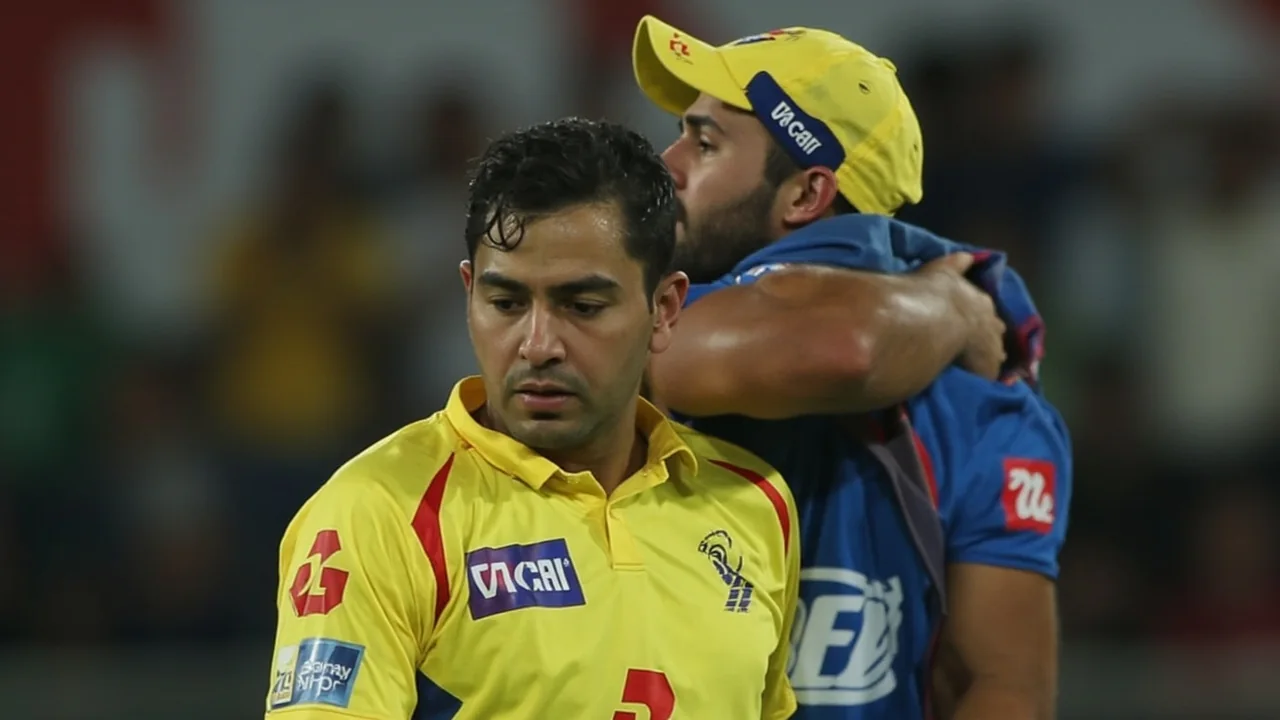
Chennai's predicted XI was listed as Sanju Samson, Ruturaj Gaikwad (captain), Urvil Patel, Sarfaraz Khan, Shivam Dube, Dewald Brevis, Jamie Overton, MS Dhoni (wicketkeeper, subject to fitness), Anshul Kamboj, Noor Ahmad and Spencer Johnson, with Gurjapneet Singh as impact sub. The headline selection call was Dhoni's fitness. The preview flagged Dhoni as subject to fitness clearance, which always moves keeper votes on a fantasy card because late scratches at keeper are the most common cause of a dead captain pick.
The captaincy note named Ruturaj Gaikwad as the franchise captain, but the fantasy desk at the Sunday Guardian was more interested in Sanju Samson as a fantasy captain lane. Samson's form that season was the explicit reason for that. On a flat Wankhede deck where top-order batters carry the highest expected ceiling, a keeper-batter who bats at the top earns a different kind of captain weight than a pure number-three anchor. The preview paired Samson with Quinton de Kock as the dual-keeper structure on the suggested Dream11 side.
Shivam Dube was listed as an all-rounder on the suggested side. His role on this surface is clear. Wankhede rewards batters who can clear the short square boundaries off the back foot, which is exactly Dube's hitting zone. Jamie Overton completes the all-rounder band with the new ball and as a death-overs seam option, useful in any team that wants exposure to overseas quicks. Noor Ahmad was the listed wrist-spinner, and his value falls into the same dew-discount bucket as Ghazanfar on the Mumbai side. Spencer Johnson and Anshul Kamboj give Chennai two left-arm-and-right-arm seam options for the new ball and the back end.
The suggested Dream11 side and what it tells you about captaincy
The preview's suggested Dream11 side is the cleanest distillation of its fantasy logic. Wicketkeepers were Quinton de Kock and Sanju Samson, giving the side two top-of-the-order options with keeper scoring paths. Batters were Rohit Sharma, Suryakumar Yadav, Tilak Varma and Ruturaj Gaikwad, a four-batter core that covers both top orders and both franchises. All-rounders were Hardik Pandya, Shivam Dube and Jamie Overton, a stacked multi-category band. Bowlers were Jasprit Bumrah and Spencer Johnson, two death-over quicks who bowl on a flat deck under evening dew.
Read as a portfolio, the side makes three statements. First, the captain lane was Hardik Pandya on the Mumbai side or Sanju Samson on the Chennai side. The preview cited Hardik's all-round utility at Wankhede and Samson's form that season, which is the right way to phrase it for a fantasy audience: one is a matchup captain, the other is a form captain. Second, the vice-captain lane was Tilak Varma or Suryakumar Yadav. Tilak had just hit a century, and SKY's record at Wankhede made him the safest bet for a big score on this surface. Third, the strategy section advised a top-heavy team on the flat deck, with Suryakumar Yadav and Ruturaj Gaikwad treated as non-negotiable picks and a warning against loading up on spinners in favour of death-over pacers such as Bumrah and Johnson.
The preview's warning against loading spinners is the most underrated piece of advice in the piece. On a Wankhede evening under dew, the difference between a fantasy card with three spinners and one with one spinner plus three seamers is roughly the difference between a mid-table finish and a top-ten finish in a large Cricplay contest. The preview made the same call, but for a specific reason: it expected the second-innings ball to be slippery enough that spinners would lose their lengths, while yorker-capable seamers would still be able to execute their plans.
A Cricplay-style team balance for the fixture
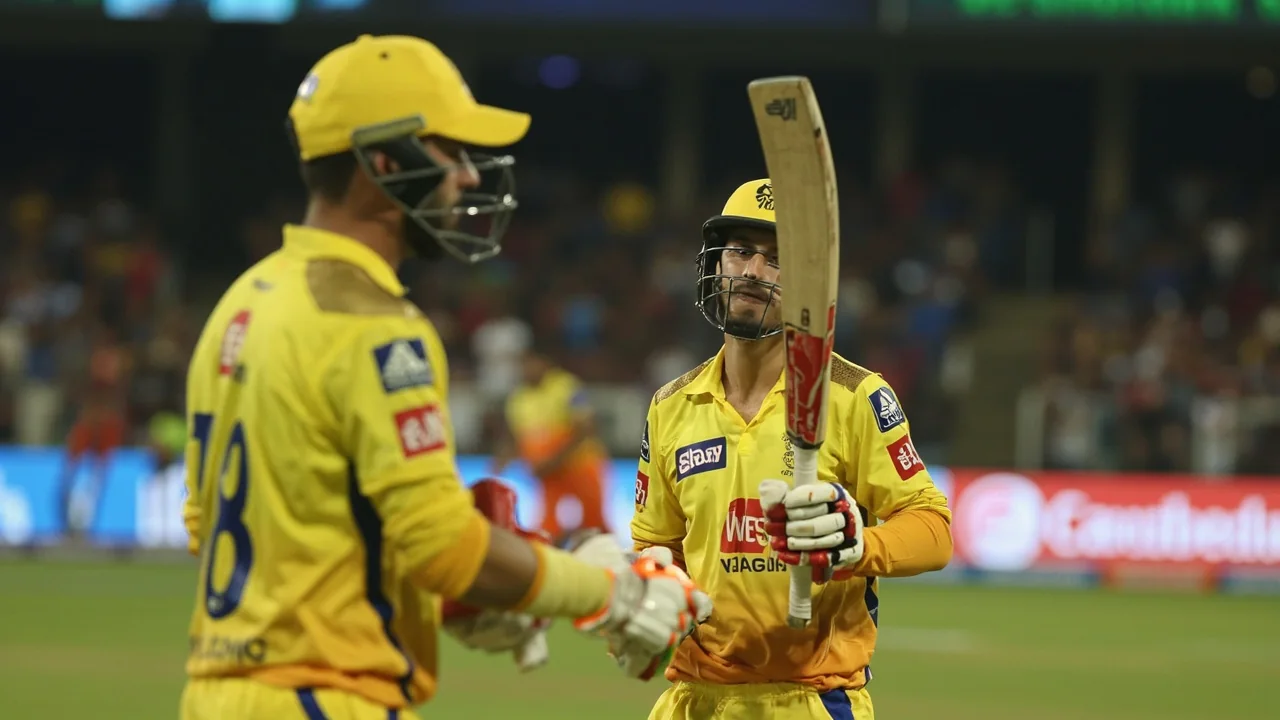
A practical Cricplay team balance for this fixture mirrors the preview's logic with a few platform-specific adjustments. The role structure on Cricplay is the same as on the broader fantasy market: two keeper-batters or one keeper-plus-one flex keeper, three to four top-order batters, three all-rounders, and two to three specialist bowlers. On a flat, batting-friendly Wankhede evening, the cleanest Cricplay build is two overseas keepers (de Kock and Samson), three batters (Suryakumar Yadav, Tilak Varma, Ruturaj Gaikwad as the locked trio), three all-rounders (Hardik Pandya as captain lane, Shivam Dube as the hitting lane, Jamie Overton as the seam-bowling lane) and two death-over seamers (Bumrah and Johnson).
Inside that structure, the credit split matters. Overseas slots are the most expensive. Keeping two overseas batters or all-rounders at the top of the card and using the third overseas slot on a seam-bowling all-rounder such as Overton is usually the cleanest credit discipline for a venue like Wankhede. It leaves enough budget for an Indian uncapped differential in the bowling group, which is where Cricplay grand-league wins are usually built. Loading four overseas batters tends to force the team into an uncapped pacer with no new-ball share, which is exactly the trap the preview was steering readers away from.
The flex slot is where most Cricplay teams for this fixture separated. The cleanest flex pick given the preview's captaincy read was Sherfane Rutherford, who was an overseas middle-order option that few opponents would pick. He had a defined role and a recent overseas T20 record that made him credible at number six or seven on a flat deck. The other credible flex was Dewald Brevis, who is the kind of name that wins grand-league contests when he lands an innings of fifty-plus at high strike rate, but who is also the kind of name that kills grand-league contests when he gets out early. That is the standard Cricplay grand-league trade-off, and the preview did not pick a side on it.
Captain and vice-captain lanes for Cricplay
The preview's captaincy guidance was unusually explicit for a match of this size. Hardik Pandya was the captain pick on the Mumbai side, citing his all-round utility at Wankhede. Sanju Samson was the captain pick on the Chennai side, citing his form that season. Vice-captaincy guidance was Tilak Varma or Suryakumar Yadav, with Tilak coming off a century and SKY's record at Wankhede making him a safe bet for a big score. There was no mention of Rohit Sharma as captain in the preview's primary captaincy note, which is worth noting because Rohit is often the default captain pick at Wankhede based on long-term reputation alone.
For Cricplay contest selection, that captaincy note splits into three operating lanes. The safe lane is Suryakumar Yadav as captain and Tilak Varma as vice-captain. This lane maximises Mumbai ownership and reads the venue as a batting paradise. The matchup lane is Hardik Pandya as captain and Sanju Samson as vice-captain. This lane picks the two best multi-category scorers in the fixture and accepts the lower ownership tax. The differential lane is Sanju Samson as captain and Shivam Dube as vice-captain. This lane accepts higher variance for the upside of being under-owned in the average Cricplay contest.
Choosing between those three lanes depends on contest size. In small leagues, the safe lane usually wins because ownership matters less and captain ceiling matters more. In grand leagues, the matchup lane is the cleanest call because the contest math rewards captain picks that separate from the field. In single-entry mega contests, the differential lane is where the variance wins live, because the field is large enough that the captain pick only needs to outscore half the field to return a meaningful rank.
What to watch after the toss
Once the toss is taken, the preview's captaincy advice still holds, but the order of the lanes shifts. If Mumbai win the toss and bat first on a flat deck, Suryakumar Yadav moves up the captain board because the chase becomes harder than the preview's dew model expected. If Chennai win the toss and bowl first, Sanju Samson becomes the cleaner captain because the second-innings chase is exactly the script the preview laid out. If either captain chooses to bat first under overcast early-evening skies, Bumrah becomes a more interesting captain pick than usual because the first-innings bowling workload is the highest-leverage phase.
Two more live reads matter on this surface. The first is whether the dew arrives on schedule. If the outfield is visibly wet by the eleventh over, the chase bias becomes a lock and bowlers lose value faster than the preview expected. The second is the death-overs matchup. Bumrah against Dhoni or against Dube is the single most leverage-heavy sequence in the fixture, and the preview's choice of Bumrah and Johnson as the bowler pair is calibrated to that exact matchup.
What the preview still tells serious fantasy players
Read a day after the match, the Sunday Guardian's Match 33 preview is most useful as a record of how fantasy captaincy votes were framed before the toss. The preview did three things well. It anchored the captaincy lane to two specific names rather than a roster of possibilities. It connected the venue read to a concrete team balance call, advising against spinner loads on a dewy Wankhede evening. It named a small set of non-negotiable picks that every fantasy player had to make a decision on, even if the decision was to skip them in grand-league differentials.
The preview was less specific on the questions it could not answer at the time of writing. Dhoni's fitness was the obvious open variable, and the preview flagged it without committing to a selection call. The Mumbai bowling combination beyond Bumrah was another open question, with Ashwani Kumar and AM Ghazanfar listed but their workload split not detailed. And the toss itself, which always reshuffles the captain board on a dew-heavy venue, was simply not available when the preview was published.
For Cricplay players building captain databases across the IPL 2026 season, this fixture is worth keeping on the spreadsheet for two reasons. First, it is a clean case study of how a flat red-soil batting deck with evening dew shifts captain value toward death-over seamers and away from spinners. Second, it shows how a venue read combined with form notes can collapse the captain board to two clear picks, which is what serious fantasy selection looks like when it is working.
The next fixture to track on the same captain board
The Cricplay captain board for the next IPL 2026 fixture depends on the next venue. If Mumbai are back at Wankhede inside a week, the captaincy math for Suryakumar Yadav and Hardik Pandya stays intact and only the opposition-specific data shifts. If the next match moves to a slower turner such as the MA Chidambaram in Chennai, the captain board tilts back toward wrist-spinners and anchor batters, which is exactly the lane the Match 33 preview warned readers to deprioritise. The habit is to treat the preview as one venue's captain read, then rebuild the board from scratch when the venue changes.
For ongoing captain and vice-captain research across IPL 2026, the Cricplay Blog carries venue-specific fantasy reads, captain databases and contest selection math that update after every match week.
Frequently asked questions
When was the MI vs CSK IPL 2026 Match 33 played?
Who were the captain and vice-captain picks in the Sunday Guardian preview?
What did the preview say about the Wankhede pitch?
What was the suggested Dream11 side from the preview?
Which players were listed as non-negotiable picks?
What was MS Dhoni's fitness status going into the match?
Where can I find more venue-specific fantasy reads for IPL 2026?
Source and editorial note
Reporting basis: The Sunday Guardian, "MI vs CSK Dream11 Prediction IPL 2026: Fantasy Cricket Tips, Playing XI, Pitch Report For Match 33 Captain, Vice-Captain Choices," bylined Aviral Shukla and published on 23 April 2026 at 13:16 IST. The preview supplied both probable XIs, the suggested Dream11 side, the captain and vice-captain guidance, the Wankhede pitch and dew read, and the match context that both sides were in the lower half of the points table. No later match result, score, post-match quote or retrospective assessment of how the fantasy team actually performed has been added to the record.
For ongoing pitch reads, captain and vice-captain frameworks and contest selection math beyond Match 33, browse the latest Cricplay Blog articles for venue-specific fantasy strategy.